Spas,
Gold Coast.
A concrete spa is a small, deep pool of heated water, built on its own or spilling into the main pool. We draw the seats, jets, heating and controls with the pool, so the spa is part of the design rather than something added later.
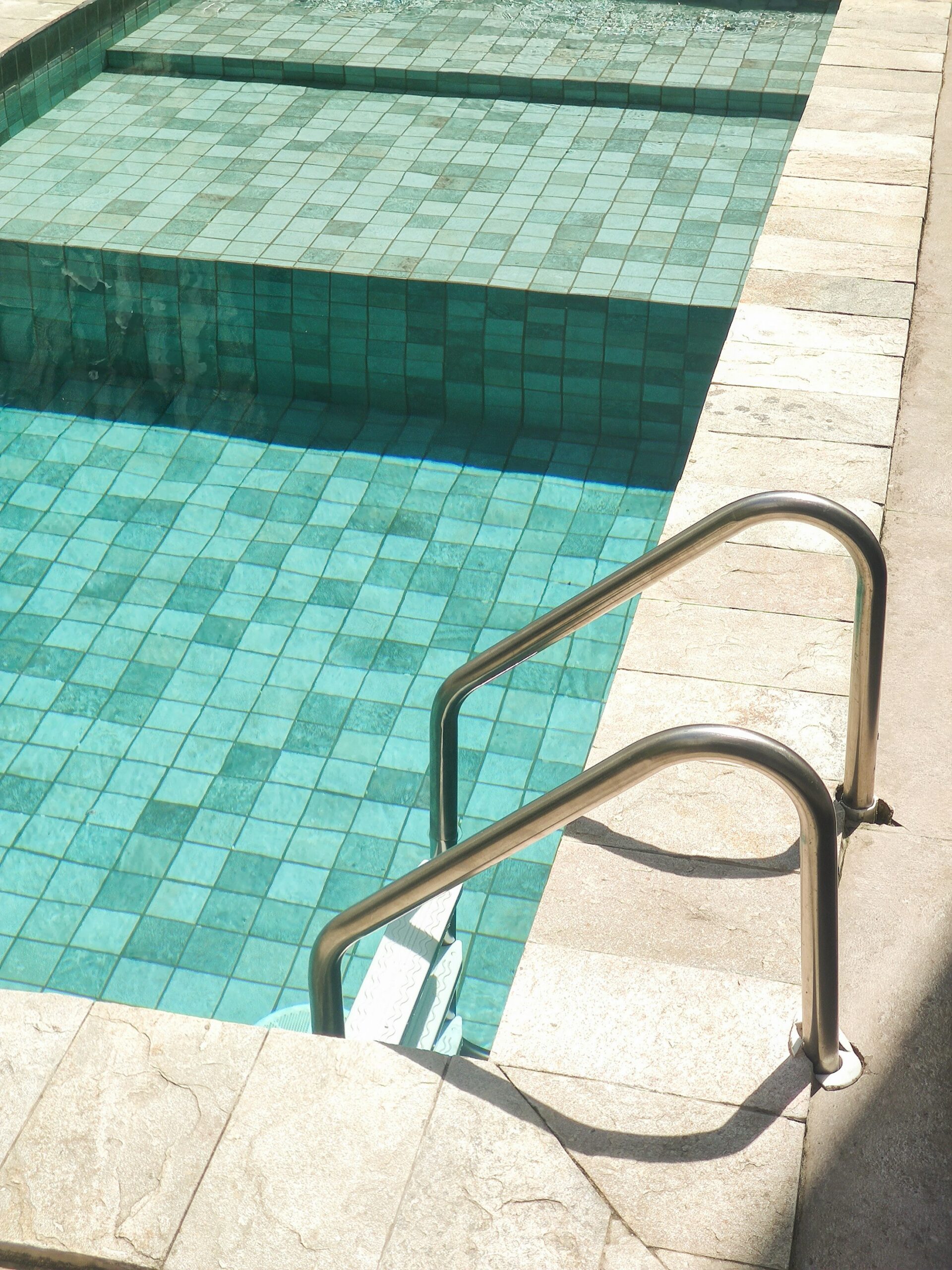
Plate 01 · Entry steps, rail and tiled interior
4.9 / 5 · 126 Google reviews
QBCC licence 0000000
Lifetime structural warranty
SPASA Silver 2024 · Sanctuary Cove
N°01 · Overview
Reviewed by Luke Brennan · Site manager
What a concrete spa is.
A concrete spa is a heated pool, usually 2.4 to 3 metres across and about 0.9 metres deep, with seats formed into the shell and jets set into the walls. Because it is kept warm, it is used through winter as much as summer, often in the evening when the pool is too cool.
Most of the spas we build share a shell with the main pool, sprayed in the same pour and run from the same equipment pad. Built that way, the spa and pool are one structure inside one barrier, rather than a separate tub joined on later. A standalone spa is built the same way, just without the pool.
Where they work
A spa suits anyone who wants warm water in winter, and blocks where a full pool will not fit or is not wanted. Beside a pool it usually sits closest to the house, where it is easy to reach on a cold night. In a courtyard it can stand on its own, and in a plunge pool it can become a heated bench along one wall.
Before we draw anything, a director checks where the spa will catch the winter sun and where it is sheltered from the wind. We look at the view from the seats as well as the view of the spa from the house, because a spa is used sitting down and its sight lines sit lower than the pool’s.
A spa is not always the right answer. If you would use one a few weekends a year, the same money may be better spent on heating the pool and a good cover, and we will say so at the first visit.
What it takes to build one
A spa is engineered with the pool from the start. The engineer details the shell, the seats and any raised wall as one structure, and the weir between spa and pool is set dead level along its length, so the water falls into the pool in an even sheet rather than a trickle at one end.
Jets, suction lines and conduit are laid with the steel, before the shell is sprayed, so nothing is cut into the concrete later. The spa has its own pump for the jets and a heater sized for its volume, both run from the same controls and app as the pool, and the seats are tested in 3D before they are formed.
Expect 8 to 12 weeks to build a standalone spa. Built with a new pool, the spa is sprayed in the same pour and finished with the pool, so it follows the pool’s programme rather than adding a stage of its own.
Design variations
A spa can sit beside a pool, inside it or on its own. We choose between four, depending on the pool, the space and how you want to use the water.
Variation 01
Spillover spa
The spa sits a step above the pool and its water spills over a weir into the pool below. Built as one shell, it is the spa most people picture, and it adds the sound of moving water.
Variation 02
Flush spa
The spa is set level with the pool, divided by a wall just below the waterline, so the two read as one sheet of water. Best where the pool is the view and the spa should not interrupt it.
Variation 03
Standalone spa
A spa on its own, for courtyards, small blocks and gardens that do not need a pool. It has its own barrier and equipment, and is heated and used all year.
Variation 04
Added to an existing pool
Where an older concrete shell is sound, a renovation can add a spa beside it, with new equipment to run both. We test the shell first and price the work as a renovation.
Living with a spa
A spa is kept warmer than a pool, so heating is most of what it costs to run. We size the heat pump or gas heater for the spa’s volume, fit a cover that holds the heat overnight and set the controls so the jets and heater run only when you want them. We show you the running numbers at design stage, not after handover.
Book a design consultation
Start with a site visit.
A director visits, measures the site and talks through ideas and budget. No cost, no obligation.
Reply within one business day · 07 5576 3480
N°02 · At a glance
Typical specification
The spa, by the numbers.
Typical figures for the spas we build. Every spa is drawn for its site and the pool beside it, so treat these as a starting point rather than a limit.
Typical size
2.4 by 2.4 metres
Depth
0.9 metres
Build time
8 to 12 weeks
Interior
Pebble, mosaic or tile
Coping
Bluestone or travertine
Equipment
Jet pump, heater, app
Warranty
Lifetime structural shell
Approvals
Approval and barrier
N°03 · Pricing
2026 pricing · Including GST
How much a spa costs.
From
$45K
A standalone 2.4 by 2.4 metre spa, 0.9 metres deep, on a flat block with good access starts from $45K. That includes design, engineering, approvals, excavation, steel, the shell, seats, jets, coping, interior, a glass fence allowance and certification. Most finish between $45K and $75K. Built with a new pool, a spa usually adds $30K to $55K to the pool price.
What moves the price
01
With a pool or alone
Built with a new pool, the spa shares the dig, the fence and the equipment pad. On its own it needs all three.
02
Seats and jets
Each seat, footwell and bank of jets adds plumbing and pump capacity. We draw them around the people who will use the spa, not a brochure.
03
Heating
A heat pump, a gas heater or both, sized for the volume and for how quickly you want the water hot. Running costs are shown at design stage.
04
Raised walls and spillovers
A spa set above the pool needs raised walls, more formwork and a level weir. Stone-clad walls take longer to finish than rendered ones.
05
Interior and coping
A fully tiled glass mosaic interior costs several times a quality pebble finish, and natural stone coping more than pavers.
N°04 · Recent pools and spas
3 of 11 projects
Recent pools and spas.
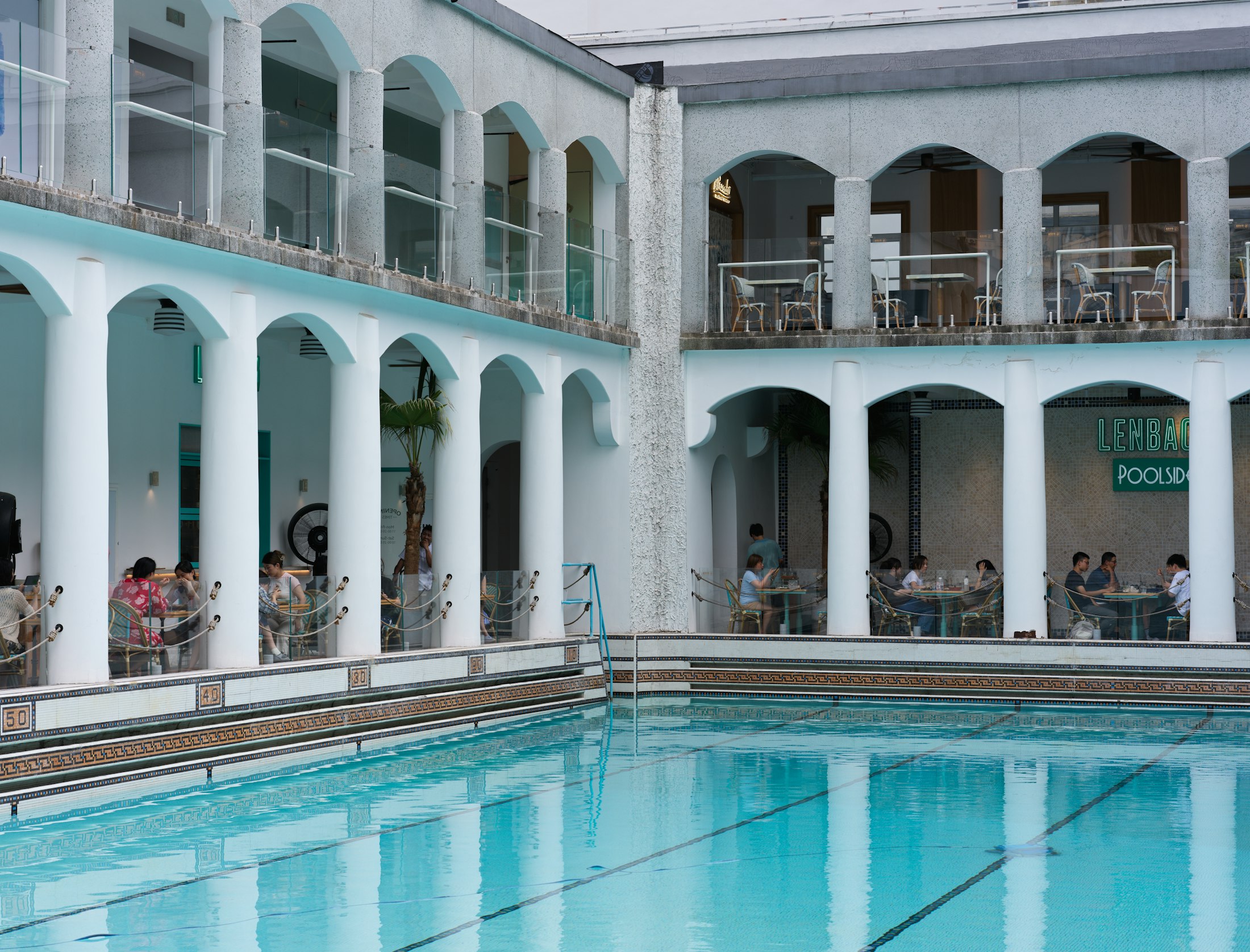
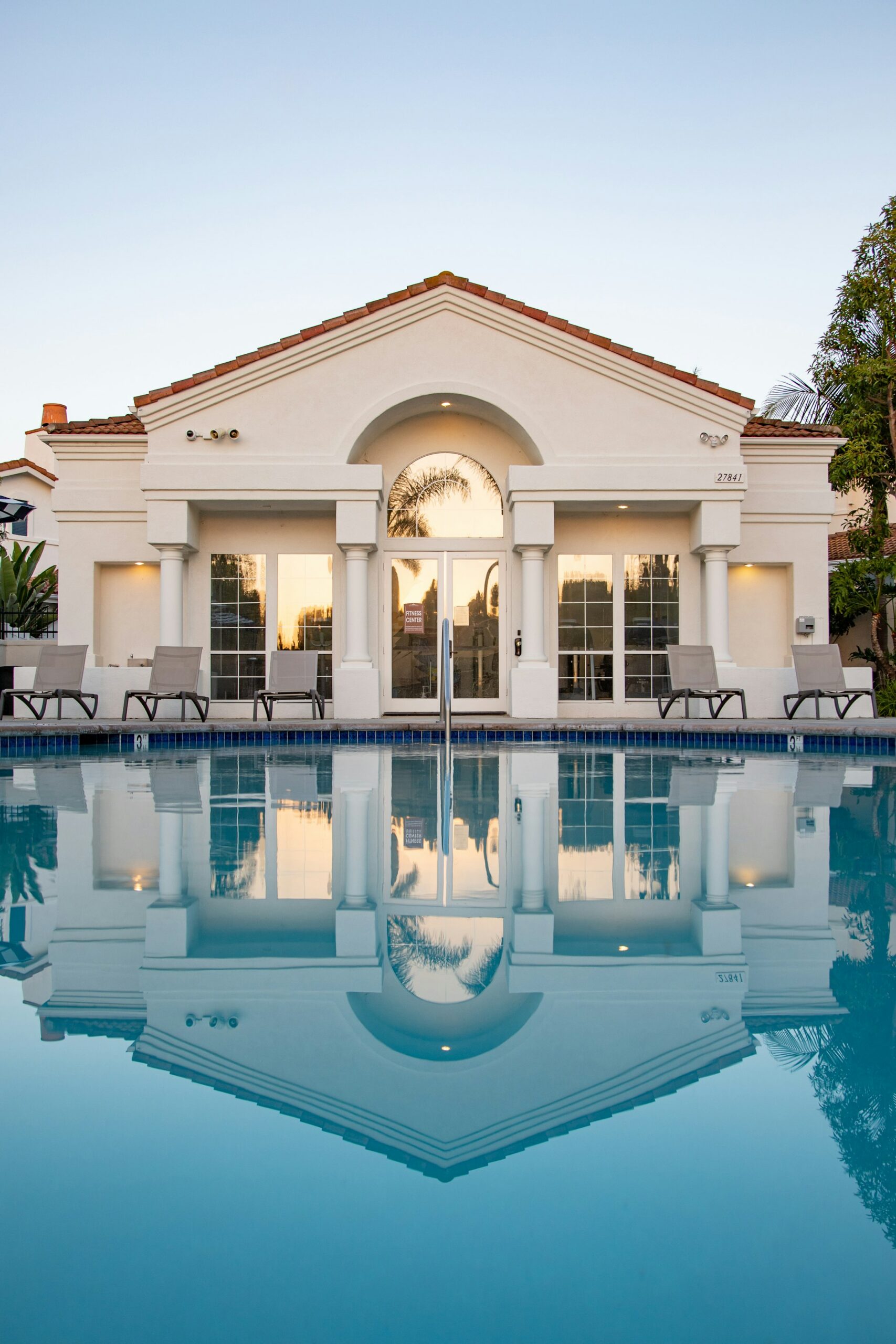
A pool and spa built as one shell on the canals, and two Brisbane pools by the same crew. Most of our spas are built into a larger pool, so few get a project page of their own.
All projects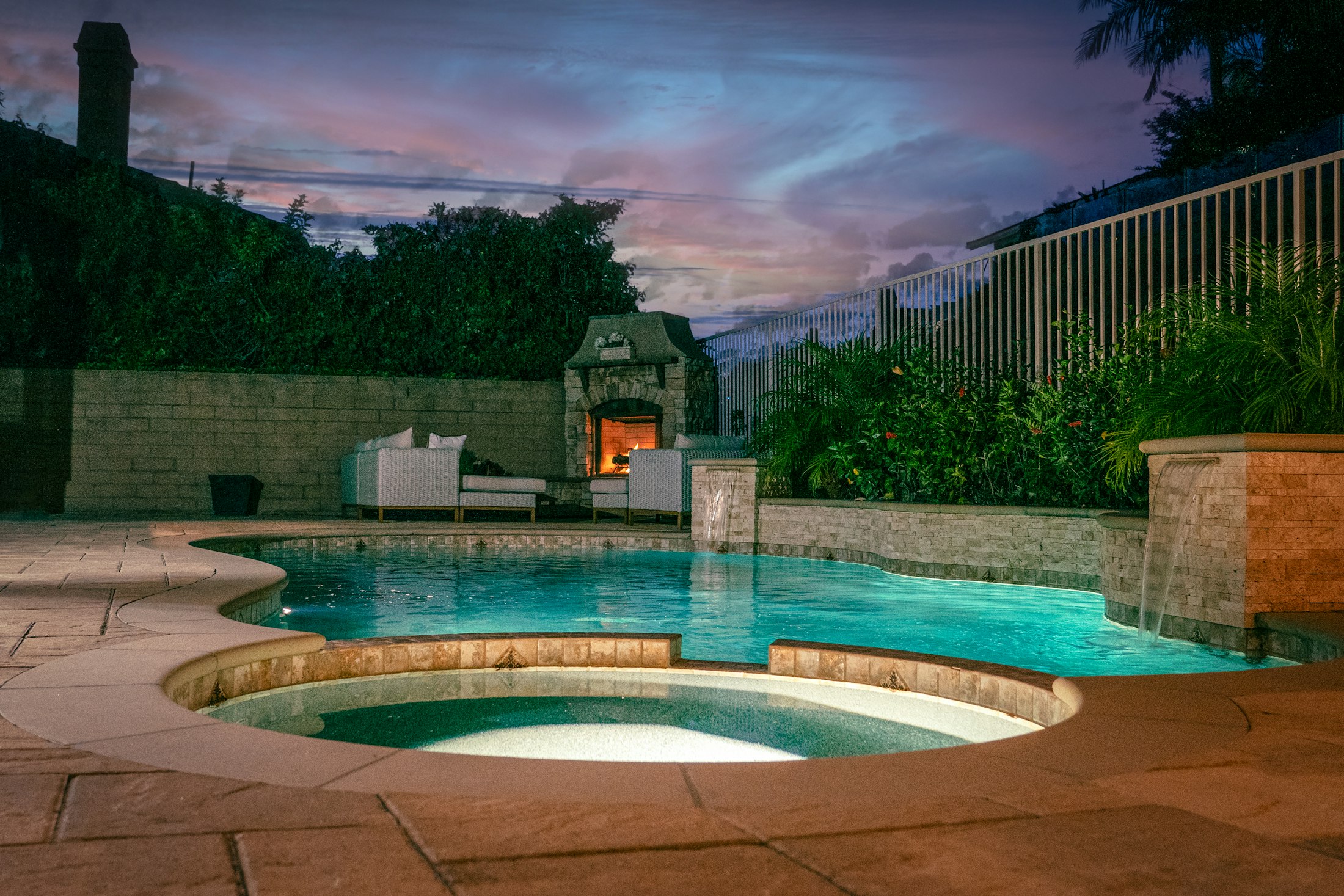
N°05 · Process
About 14 weeks, first visit to handover
How long a spa takes.
Allow about fourteen weeks for a standalone spa, from first visit to handover. Built with a new pool, the spa follows the pool’s programme and is finished in the same weeks.
Our process in detail01
Weeks 1 to 2
Consult and survey
Levels, access, sun and shelter, checked on site by a director.
02
Weeks 2 to 5
Design and 3D
Seats, jets and spillover tested in 3D with the pool and the house.
03
Weeks 5 to 9
Approvals and engineering
Engineering for the shell and any raised wall, then building approval.
04
Weeks 9 to 10
Excavation and steel
Dig, steel, jets and conduit laid, then the steel inspection.
05
Weeks 10 to 13
Shell and finish
Shell sprayed in one day, then coping, interior and the heater fitted.
06
Week 14
Handover and care
Water heated and balanced, then certification and a one-year visit.
N°06 · Client words
4.9 from 126 Google reviews
“Our courtyard is eleven metres by seven. One long bluestone bench joins the pool to the spa, and the space feels twice the size.”
Oliver and Mei C.
New Farm · Pool and spa · 2025
N°07 · Where we build these
Within 90 minutes of Burleigh Heads
Where we build spas.
We build spas wherever we build pools, most often beside one: on canal blocks, in inner Brisbane courtyards and along the coast. We build within ninety minutes of the studio so a director is on site every week.
All service areasGold Coast
06
Northern Rivers
06
N°08 · Related pools
Pairs well with
a spa.
A spa can spill into a lap pool, sit at the end of a concrete pool or join an older pool in a renovation, engineered as one structure.
All pool typesN°09 · Questions
Spa
questions.
What we are asked most about spas. For your own site, a director will answer them in person at the first visit.
All questionsHow much does a spa cost on the Gold Coast?
Our standalone spas start from $45K for a typical 2.4 by 2.4 metre spa, 0.9 metres deep, including design, approvals, a glass fence allowance and certification. Most finish between $45K and $75K. Built with a new pool, a spa usually adds $30K to $55K to the pool price. You get a fixed price after design and engineering.
Should the spa be part of the pool or separate?
If you are building a pool, we usually draw the spa into the same shell. It is sprayed in the same pour, shares the equipment pad and sits inside one barrier. A standalone spa makes sense where there is no pool, no room for one, or the spa belongs elsewhere in the garden.
Can you add a spa to our existing pool?
Often, yes. If the existing concrete shell is sound, a renovation can add a spa beside it, with new equipment to run both. We test the shell at the site visit before we draw anything, and the work is priced and programmed as a renovation, with a fixed price before it starts.
How is a spa heated?
By a heat pump, a gas heater or both. A heat pump costs least to run and suits a spa kept warm most of the week. Gas heats cold water faster, so it suits a spa used now and then. Most of our clients choose a heat pump.
Does a spa need a pool fence?
Yes. A spa counts as a pool under Queensland and New South Wales rules, so it needs approval and a compliant barrier, inspected and certified before it is filled. Where the spa shares a shell with the pool, one fence encloses both. Every fixed price includes a frameless glass fence allowance.
How many people does a spa seat?
We draw the seats around the people who will use it rather than to a number. Most of our spas are 2.4 to 3 metres across, with seats at different depths, a footwell and jets at back height, all tested in 3D before anything is priced.
What does a spa cost to run?
Heating is most of it, because a spa is kept warmer than a pool. A cover that holds the heat overnight is the cheapest saving we know of, then a heat pump on a timer and jets that run only when someone is in. We show you the numbers at design stage.
How long does a spa take to build?
A standalone spa takes 8 to 12 weeks to build, and about fourteen weeks from first visit to handover. Built with a new pool, the spa is sprayed in the same pour and finished with the pool, so it follows the pool’s programme rather than adding a stage of its own.