Plunge pools,
Gold Coast.
A plunge pool is a deep, compact concrete pool for courtyards and blocks under 450 square metres. Room to cool off, sit and soak, often with a heated spa bench along one wall, drawn to the setbacks and fencing a small block allows.
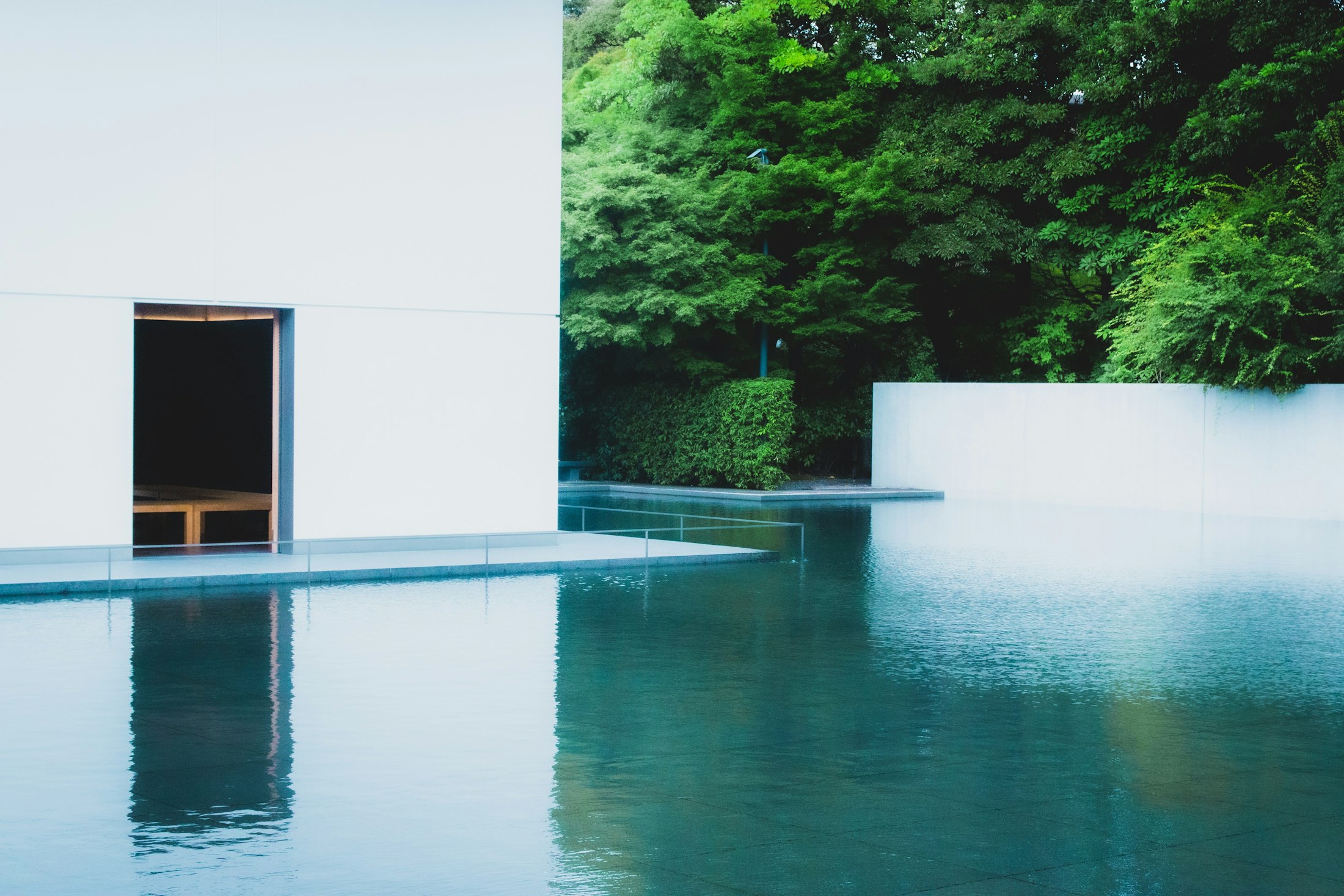
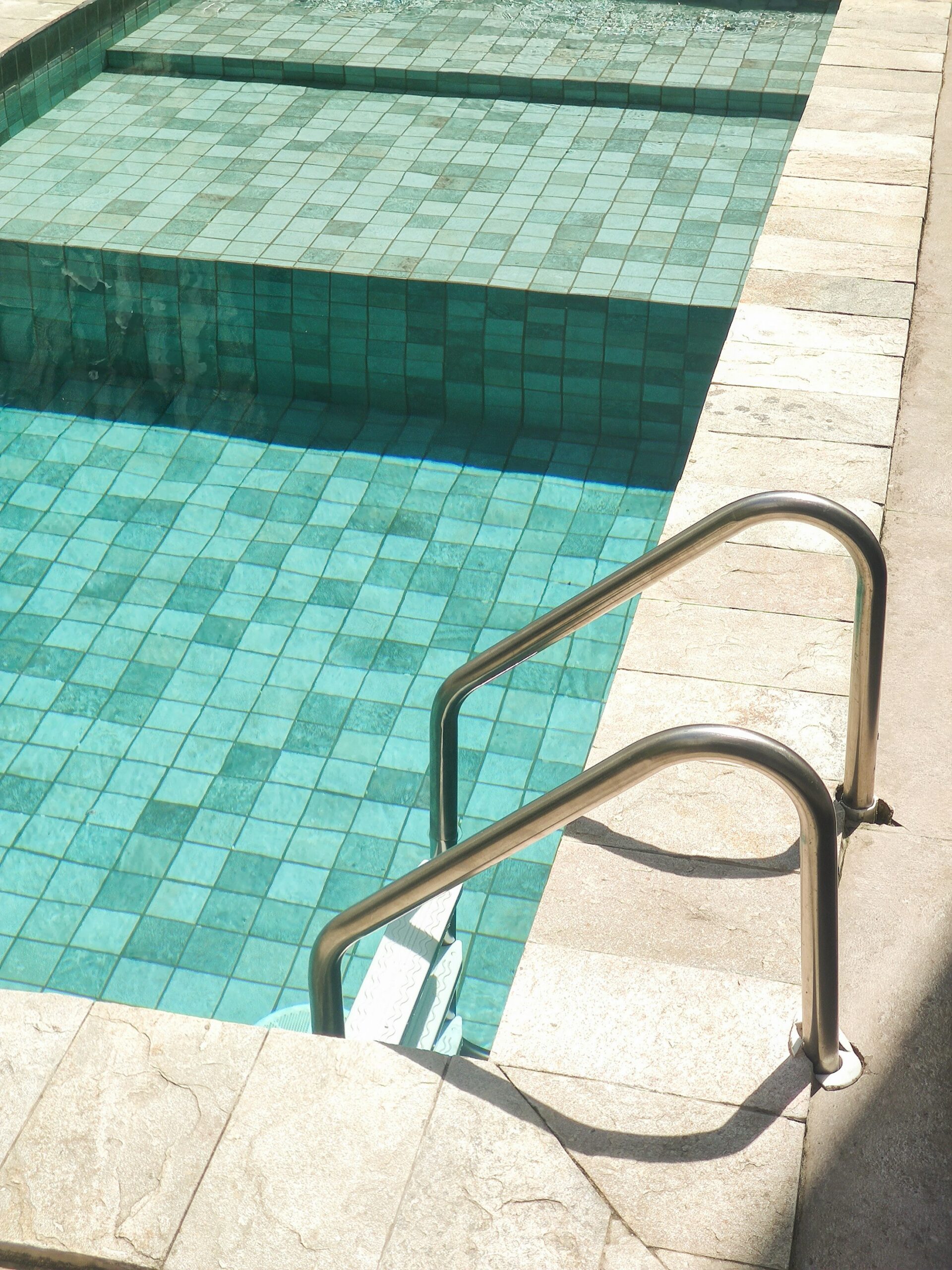
Plate 01 · A courtyard pool between rendered walls
4.9 / 5 · 126 Google reviews
QBCC licence 0000000
Lifetime structural warranty
SPASA Silver 2024 · Pool and spa
N°01 · Overview
Reviewed by Claire Ashdown · Landscape architect
What a plunge pool is.
A plunge pool is a short, deep concrete pool built for cooling off rather than swimming laps. Ours are typically 5 by 2.5 metres and 1.4 metres deep, so you can stand, float or sit with the water at your shoulders. Most have a bench along one wall, often heated as a spa.
It is built exactly like our larger pools: an engineered shell of steel and sprayed concrete, stone coping, a pebble or tiled interior, and the same warranty and fixed price. What changes is the site. A plunge pool usually sits close to the house, a boundary and a fence, so the levels, setbacks and barrier are drawn before anything is dug.
Where they work
Plunge pools suit courtyards, side setbacks and small rear gardens, usually on blocks under 450 square metres: terraces and steep lots in Paddington and New Farm, narrow lots and townhouses near the beach at Burleigh Heads, and walled courtyards in the Northern Rivers. On beach sand with a high water table, a smaller dig also means less pumping.
Before we draw anything, a director measures the courtyard, the setback from each boundary and the house footings, and finds the sewer and stormwater lines that often run along the back of older blocks. On a small site those lines decide where the pool can go more often than the garden does.
A plunge pool is not a swimming pool in miniature. If you want to swim laps most mornings you need at least 15 metres of straight water, and a lap pool along a side boundary may fit a narrow block better than a plunge.
What it takes to build one
Small sites are rarely easy sites. Many courtyards have no side access, so we lift the excavator, steel and coping in by crane, often over the house in a single morning, and pump the shotcrete from the street through a line up to 60 metres long. The crane day is planned with a traffic management plan and a letter to the neighbours.
Near a house or boundary, the engineer designs the shell and steel around the footings beside it, and reactive clay can call for piers. The fence is drawn with the pool, not after it, so gate swing, heights and non-climbable zones work in a courtyard where walls, doors and windows all sit close to the water. A heated spa bench takes its own jets, plumbing and controls, planned from the first drawing.
Expect 10 to 14 weeks from first visit to handover, against about twenty for a typical concrete pool. Approvals take as long as for any pool, so the time saved is on site. A crane day or an overlay can add a few weeks.
Design variations
In a small space every decision shows. We choose between four plunge pools, depending on the courtyard, the house and how you want to use the water.
Variation 01
Spa bench plunge
A bench along one wall is fitted with jets and heated, so the same water is a spa in winter and a cool plunge in summer. One pool does the work of two on a block with room for one.
Variation 02
Courtyard plunge
Set between walls, with the coping laid to line through with the paving, so the pool reads as part of the floor of an outdoor room. Suits inner-city terraces and walled gardens.
Variation 03
Plunge and spa
A separate concrete spa sits a step above the plunge and spills into it, as one shell. It takes more room than a bench, and a spa built with a new pool usually adds $30K to $55K.
Variation 04
Wet edge plunge
The water sits level with the paving and spills over a slot on every side, so a small pool reads as one flat sheet. Best on level courtyards, and it adds a balance tank.
Living with a plunge pool
A plunge pool holds far less water than a family pool, so it costs less to heat, filter and treat. A cover holds the heat in a spa bench overnight, and the weekly routine is the same on a smaller scale: skim, empty the baskets, test the water. We show you the running numbers at design stage.
Book a design consultation
Start with a site visit.
A director visits, measures the site and talks through ideas and budget. No cost, no obligation.
Reply within one business day · 07 5576 3480
N°02 · At a glance
Typical specification
The pool, by the numbers.
Typical figures for the plunge pools we build. Every pool is drawn for its site, so treat these as a starting point rather than a limit.
Typical size
5 by 2.5 metres
Depth
1.4 metres
Build time
10 to 14 weeks
Interior
Pebble, mosaic or tile
Coping
Bluestone or travertine
Equipment
Pump, filter, sanitiser
Warranty
Lifetime structural shell
Approvals
Certifier and fencing
N°03 · Pricing
2026 pricing · Including GST
How much a plunge pool costs.
From
$65K
A typical 5 by 2.5 metre plunge pool, 1.4 metres deep, with good access starts from $65K. That includes design, engineering, approvals, excavation, steel, the shell, coping, interior, filtration, lighting, a glass fence allowance and handover. Most finish between $65K and $95K. Heating for a spa bench is priced as a line item.
What moves the price
01
Access and craning
Many courtyards have no side path. Lifting the excavator, steel and coping over the house by crane is priced as a line item at concept stage.
02
Boundaries and footings
A pool close to a house footing, a boundary or a sewer line needs more engineering, and sometimes a build-over approval from the water authority.
03
Spa bench and heating
Jets, a heated bench and the heater itself add equipment and plumbing. Heating, by heat pump, solar or gas, is priced as its own line.
04
Coping and interior
Finishes are where most budgets move. Natural stone coping costs roughly twice a good porcelain paver, and glass mosaic several times a pebble interior.
05
Fencing and overlays
Taller panels, custom gates or a fence that doubles as a balustrade are priced as options. Heritage or flood overlays add council time.
N°04 · Recent pools in older gardens
3 of 11 projects
Recent pools in older gardens.
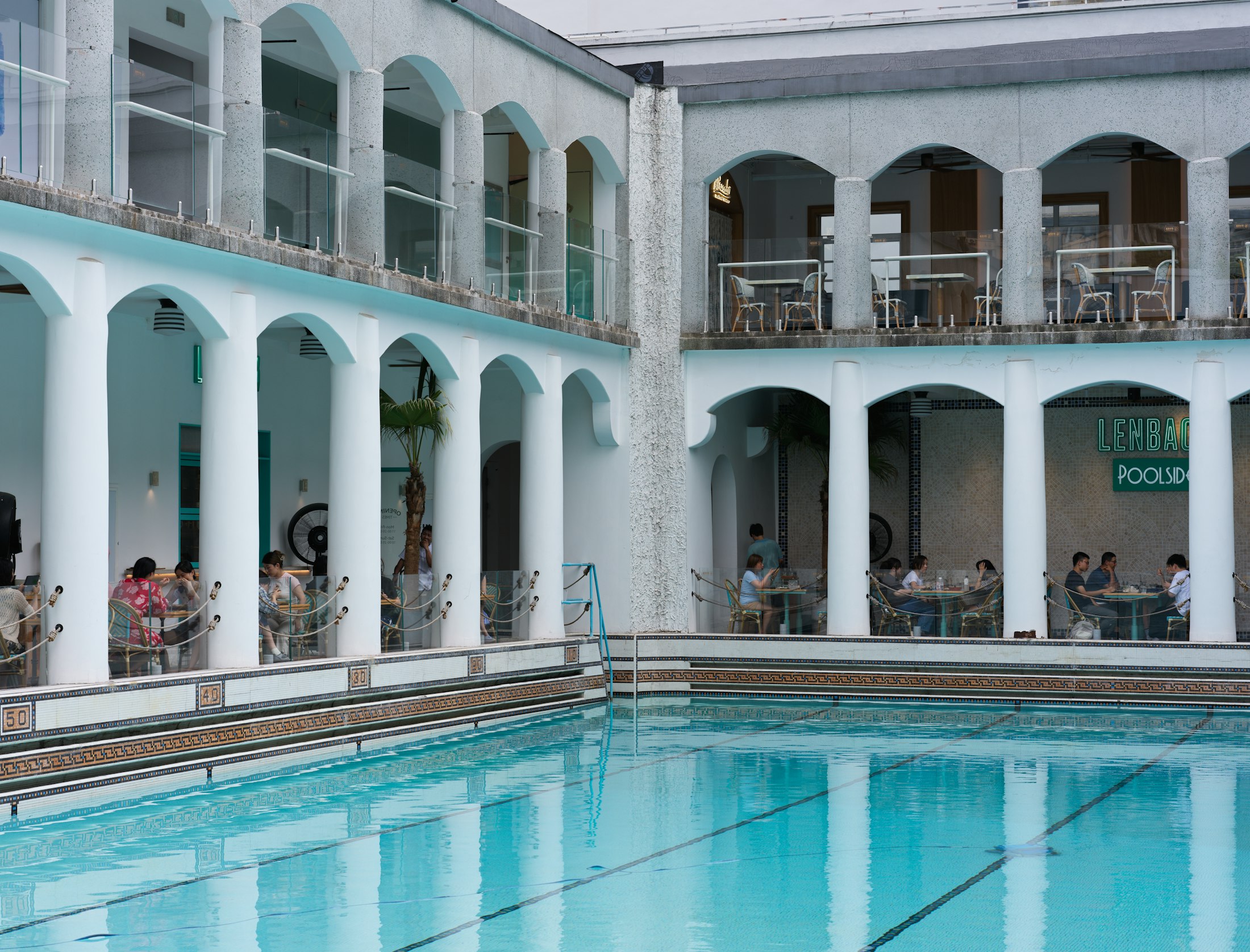
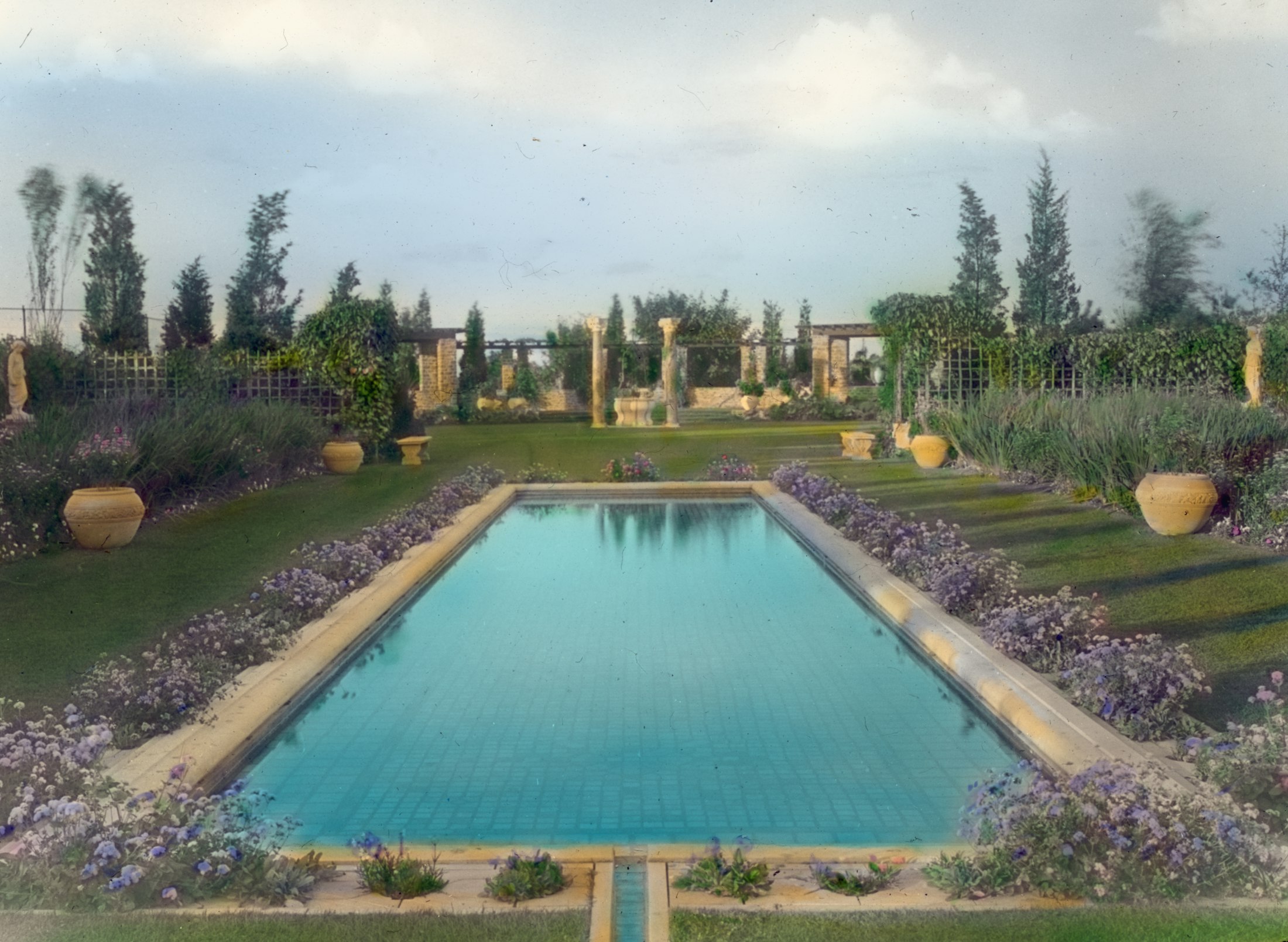
Three pools in established Brisbane gardens, where access is by side passage or crane and the design has to answer to the house. Plunge pools on small blocks meet the same constraints.
All projects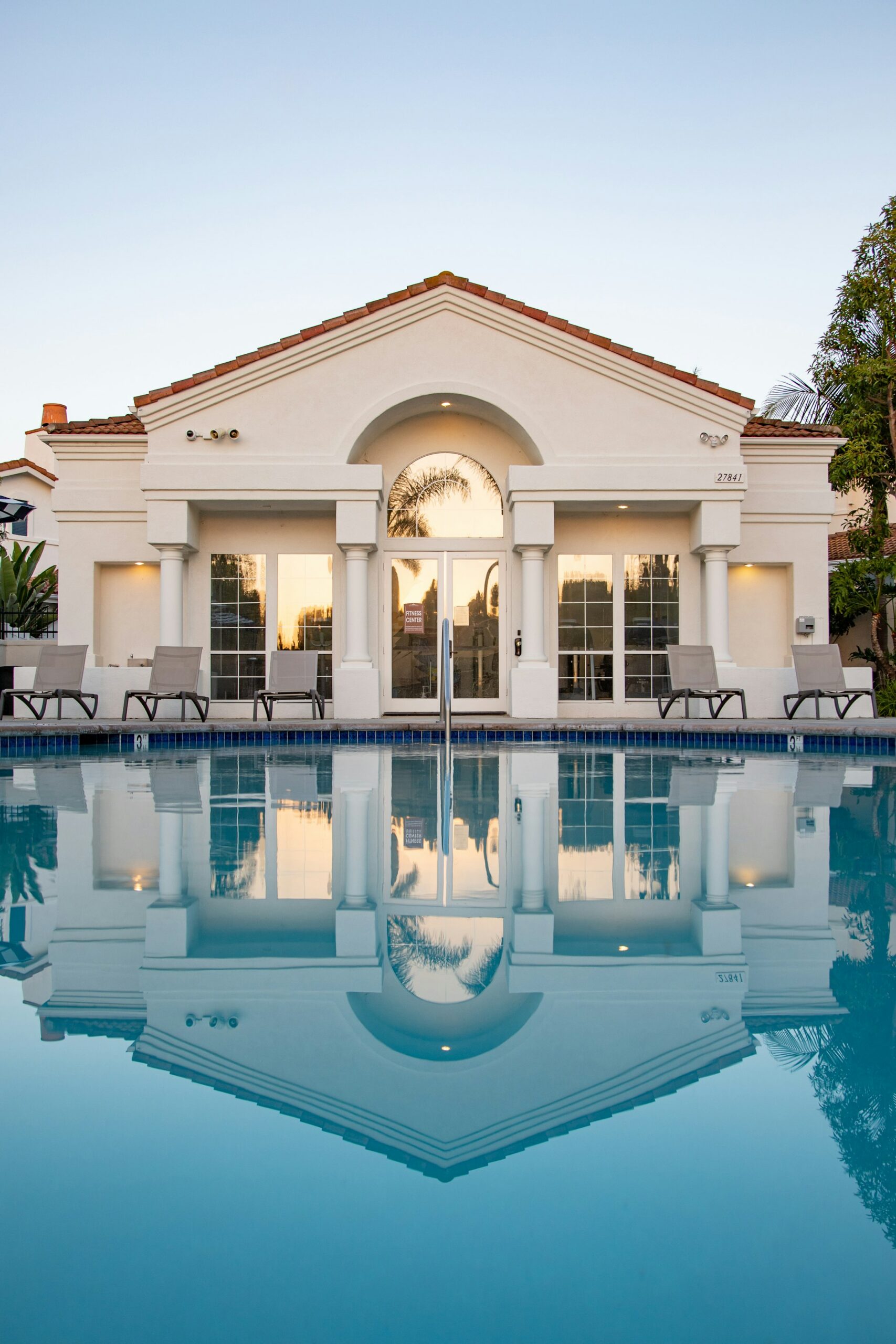
N°05 · Process
About 14 weeks, first visit to first swim
How long a plunge pool takes.
Allow about three months from first visit to first swim. Approvals take as long as for a larger pool, so the weeks saved come on site.
Our process in detail01
Weeks 1 to 2
Consult and survey
Setbacks, footings, sewer lines and access, measured on site by a director.
02
Weeks 2 to 5
Design and 3D
Bench, steps and fence drawn in 3D inside the courtyard walls.
03
Weeks 5 to 9
Approvals and engineering
Shell engineered near footings and boundaries, then building approval.
04
Weeks 9 to 10
Excavation and steel
A small dig, often by crane, then steel tied and inspected.
05
Weeks 10 to 13
Shell and finish
Shell sprayed in a day and cured, then coping, tile and interior.
06
Week 14
Handover and care
Water balanced, fence certified, then a walk-through and a one-year visit.
N°06 · Client words
4.9 from 126 Google reviews
“Our block is steep and the crane could not reach the back, so they barrowed the steel in by hand. Five years on, not one crack.”
Hannah W.
Paddington · Plunge pool · 2021
N°07 · Where we build these
Within 90 minutes of Burleigh Heads
Where we build plunge pools.
Plunge pools suit inner Brisbane, narrow lots near the beach and walled courtyards across the border. We build within ninety minutes of the studio so a director is on site every week.
All service areasGold Coast
06
Northern Rivers
06
N°08 · Related pools
Pairs well with
a plunge pool.
A plunge pool often shares a shell with a spa and sits inside a courtyard drawn by our landscape architect. Each is designed as one piece with the pool.
All pool typesN°09 · Questions
Plunge pool
questions.
What we are asked most about plunge pools. For your own site, a director will answer them in person at the first visit.
All questionsHow much does a plunge pool cost?
Our plunge pools start from $65K for a typical 5 by 2.5 metre pool, 1.4 metres deep, including design, engineering, approvals, coping, interior, equipment and a glass fence allowance. Most finish between $65K and $95K. A recent walled courtyard in Bangalow with crane-only access came to $84,000. You get a fixed price after design and engineering.
How small a block can take a plunge pool?
There is no fixed minimum. We build them in courtyards, side setbacks and small rear gardens, usually on blocks under 450 square metres, and our smallest is a 2.4 metre courtyard plunge. What decides it is the setbacks, the house footings, any sewer line and room for a compliant fence.
Is a plunge pool big enough to swim in?
Not for laps. A plunge pool is for cooling off, floating and soaking, with the water at your shoulders at 1.4 metres. Swimming most mornings needs at least 15 metres of straight water, and a lap pool along a side boundary often fits a narrow block better than people expect.
Can a plunge pool have a heated spa bench?
Yes, and many of ours do. A bench along one wall takes jets and is heated with the pool, usually by heat pump, so the same water is a spa in winter and a cool plunge in summer. Heating is priced as a line item, and a cover can halve the cost of running it.
Do we need council approval for a plunge pool?
Yes. Every pool in Queensland and New South Wales needs approval and a compliant barrier, whatever its size. Usually that is building approval through a private certifier, which we arrange. Council becomes involved if a heritage, flood or coastal overlay applies, and a pool near a sewer main needs a build-over approval from the water authority.
What fencing does a courtyard plunge pool need?
A barrier at least 1.2 metres high that meets AS 1926.1 and the state pool safety rules, certified before the pool is filled. In a courtyard the walls, doors and windows of the house sit close to the water, so we draw the barrier with the pool. Every fixed price includes a frameless glass fence allowance.
Can you build a plunge pool with no side access?
Usually, yes. We lift the excavator, steel and coping in by crane, often over the house in a single morning, and pump the shotcrete from the street through a line up to 60 metres long. Crane hire is priced at concept stage, so it is known before you sign.
How long does a plunge pool take?
Allow 10 to 14 weeks from first visit to handover: about nine weeks of survey, design and approvals, then about five on site. A crane day, rock or an overlay can add time, and you hear about it in that week’s update. The loud days are the dig and the shotcrete spray.