Lap pools,
Gold Coast.
A lap pool is a long, narrow pool for daily swimming, with a flat floor and a true line. We set them along boundaries and through gardens, and keep every wall, floor and coping line straight from one end to the other.
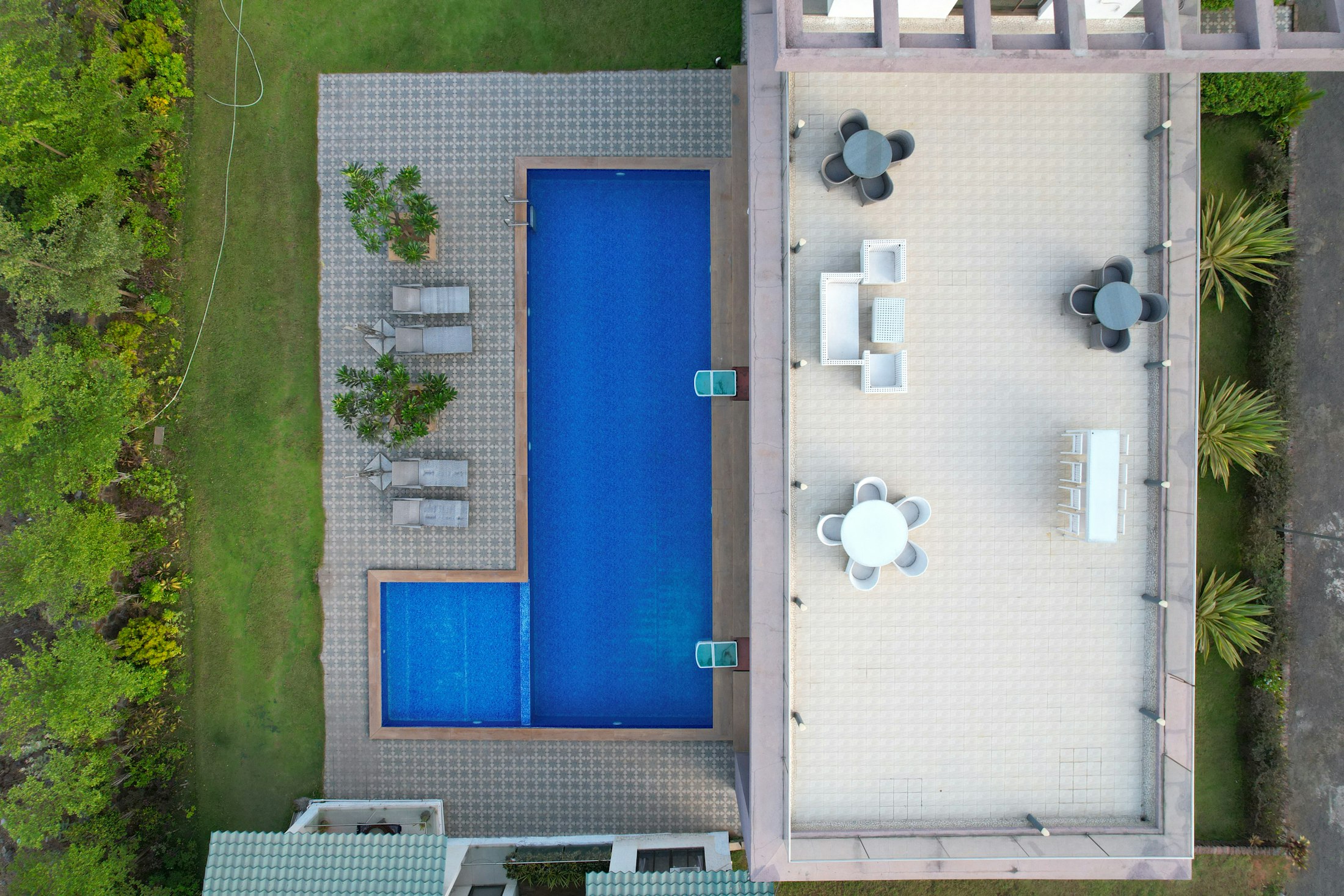
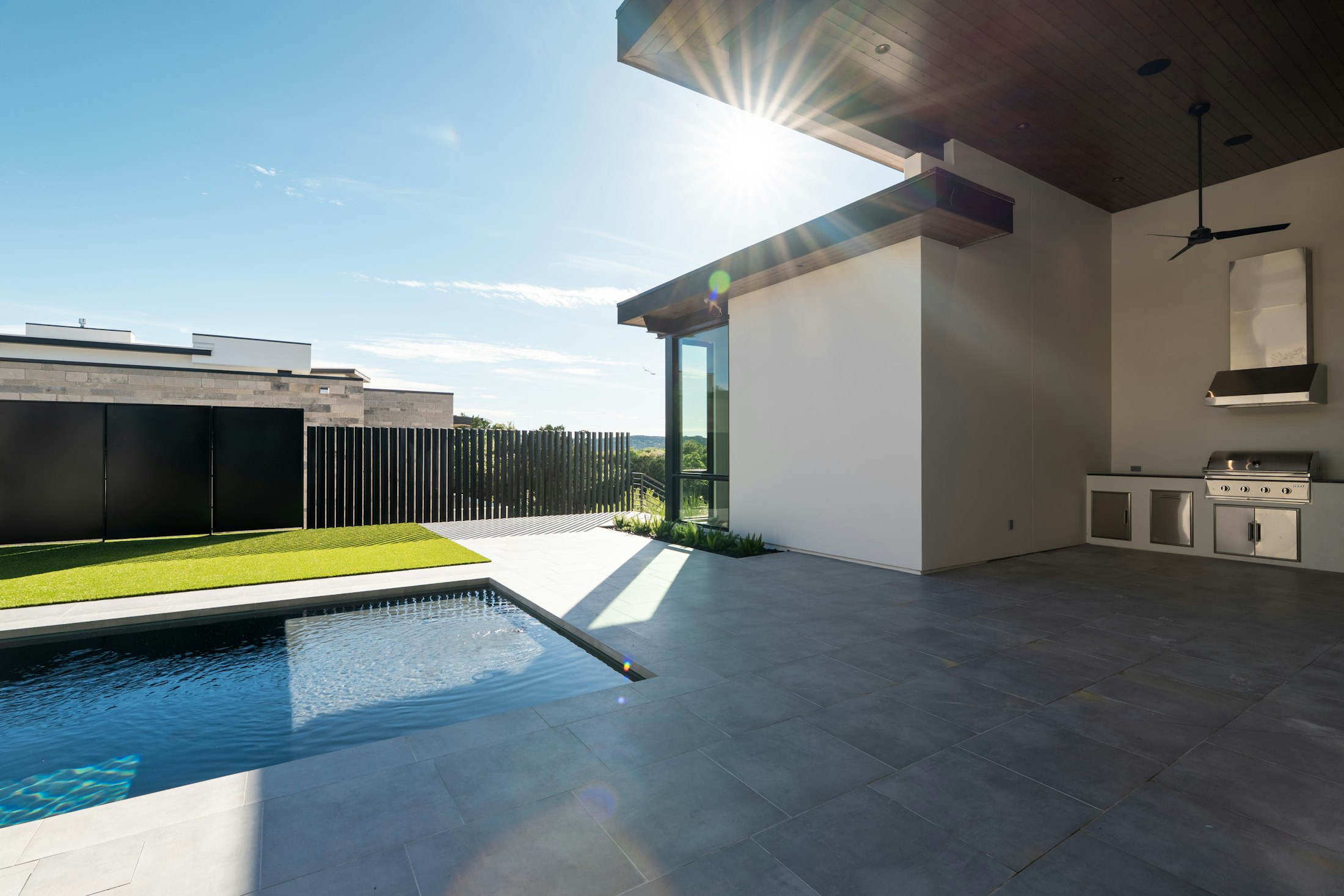
Plate 01 · A long pool set along the boundary
4.9 / 5 · 126 Google reviews
QBCC licence 0000000
Lifetime structural warranty
HIA finalist 2022 · Ascot Garden Pool
N°01 · Overview
Reviewed by Tom Hollis · Founding director
What a lap pool is.
A lap pool is a long, narrow pool drawn for swimming rather than sitting. It runs 15 to 25 metres in a straight line, usually about 2.5 metres wide, with a flat floor 1.2 to 1.4 metres deep, so every length feels the same from one end to the other.
It asks less of the site than an infinity edge and more of the set-out. A long, thin shell shows every error: a wall that drifts out of line, a floor that rises at one end, coping that steps where it should run straight. Done well, you notice none of it, only the water and the length ahead of you.
Where they work
A lap pool needs length more than area. It suits narrow lots and long boundaries: the side of an older Brisbane block in Ascot or Chelmer, a strip behind the dunes at Mermaid Beach, a hinterland ridge at Coorabell where the pool can sit square to the view. If the pool is mostly for cooling off and sitting with friends, a deeper plunge pool uses less of the garden and costs less to heat.
Before we draw anything, a director walks the length of the pool on site and checks the winter sun across it. A long pool beside a boundary wall or a two-storey house can sit in shade for months. Moving it a metre or turning it a few degrees is often what decides whether you swim in May.
Lap pools also suit people who want a garden as well as a pool. Set along one edge, the pool leaves the rest of the block its full width for lawn, planting and somewhere to sit in the shade.
What it takes to build one
Every lap pool starts with a site survey and a soil test, then engineering for the shell and for whatever it runs beside: a boundary wall, a neighbour’s footings, the house itself. Brisbane and hinterland blocks often hit rock, which is broken out at the rate per cubic metre written into the contract, so the cost is known before you sign.
Our crew sets the pool out with pegs and string from the drawings, digs to the engineer’s levels and ties the steel along the full length before the certifier inspects it. The shell is sprayed in a single day, so there are no cold joints along the walls, and the coping is set out to the millimetre so the line holds from end to end.
Expect 14 to 18 weeks to build, the same as a standard concrete pool, and about 20 weeks from first visit to first swim. Rock, a long boundary wall or crane access can add time, and we tell you at the site visit which of them apply.
Design variations
A lap pool is a length of water rather than one fixed design. We choose between four, depending on the block, the slope and what else the garden has to do.
Variation 01
Along the boundary
The pool runs down one side of the block, close to the fence line, and leaves the garden its width. The arrangement most narrow lots call for, and the one that needs the closest look at sun and footings.
Variation 02
Through the garden
The pool runs out from the house as a long axis, with planting either side. It reads as one line of water from the living room, and suits wider blocks with depth to spare.
Variation 03
Lap pool and spa
A spa sits at one end and spills into the lap pool, built as one shell and run from one equipment pad. You swim in one and sit in the other, all year round.
Variation 04
On a slope
On a sloping block the pool is set along the contour, and the low side can finish as a vanishing edge. Hinterland ridges suit it best, with the pool set square to the view.
Living with a lap pool
A long pool holds more water than a compact one, so it costs more to filter and heat. We fit a variable-speed pump, size any heat pump for the full volume and plan a blanket on a roller at one end. A robotic cleaner suits the flat floor, and we show you the running numbers at design stage, not after handover.
Book a design consultation
Start with a site visit.
A director visits, measures the site and talks through ideas and budget. No cost, no obligation.
Reply within one business day · 07 5576 3480
N°02 · At a glance
Typical specification
The pool, by the numbers.
Typical figures for the lap pools we build. Every pool is drawn for its site, so treat these as a starting point rather than a limit.
Typical size
20 by 2.5 metres
Depth
1.2 to 1.4 metres
Build time
14 to 18 weeks
Interior
Pebble, mosaic or tile
Coping
Travertine or bluestone
Equipment
Pump, filter, app control
Warranty
Lifetime structural shell
Approvals
Engineering and approval
N°03 · Pricing
2026 pricing · Including GST
How much a lap pool costs.
From
$90K
A typical 20 by 2.5 metre lap pool, 1.2 to 1.4 metres deep, on a flat block with good access starts from $90K. That includes design, engineering, approvals, excavation, steel, the shell, coping, a pebble interior, filtration, a glass fence allowance and certification. Most of ours finish between $90K and $160K, with heating priced as its own line.
What moves the price
01
Length
Each extra metre adds $4K to $15K of concrete, steel, interior and coping, but no more design, approvals or equipment.
02
Rock and ground
A long dig meets more of whatever is down there. Rock is priced by the cubic metre, and sandy coastal blocks can need dewatering.
03
Boundaries and footings
A pool close to a boundary, the house or a sewer line needs extra engineering and sometimes a retaining wall along its length.
04
Access
Narrow lots are often reached by one side passage. Under about 1.8 metres clear we use smaller machines, or a crane.
05
Coping and finish
Coping runs the full length on both sides, so stone choice moves a lap pool more than a compact one.
N°04 · Recent lap pools
3 of 11 projects
Recent lap pools.
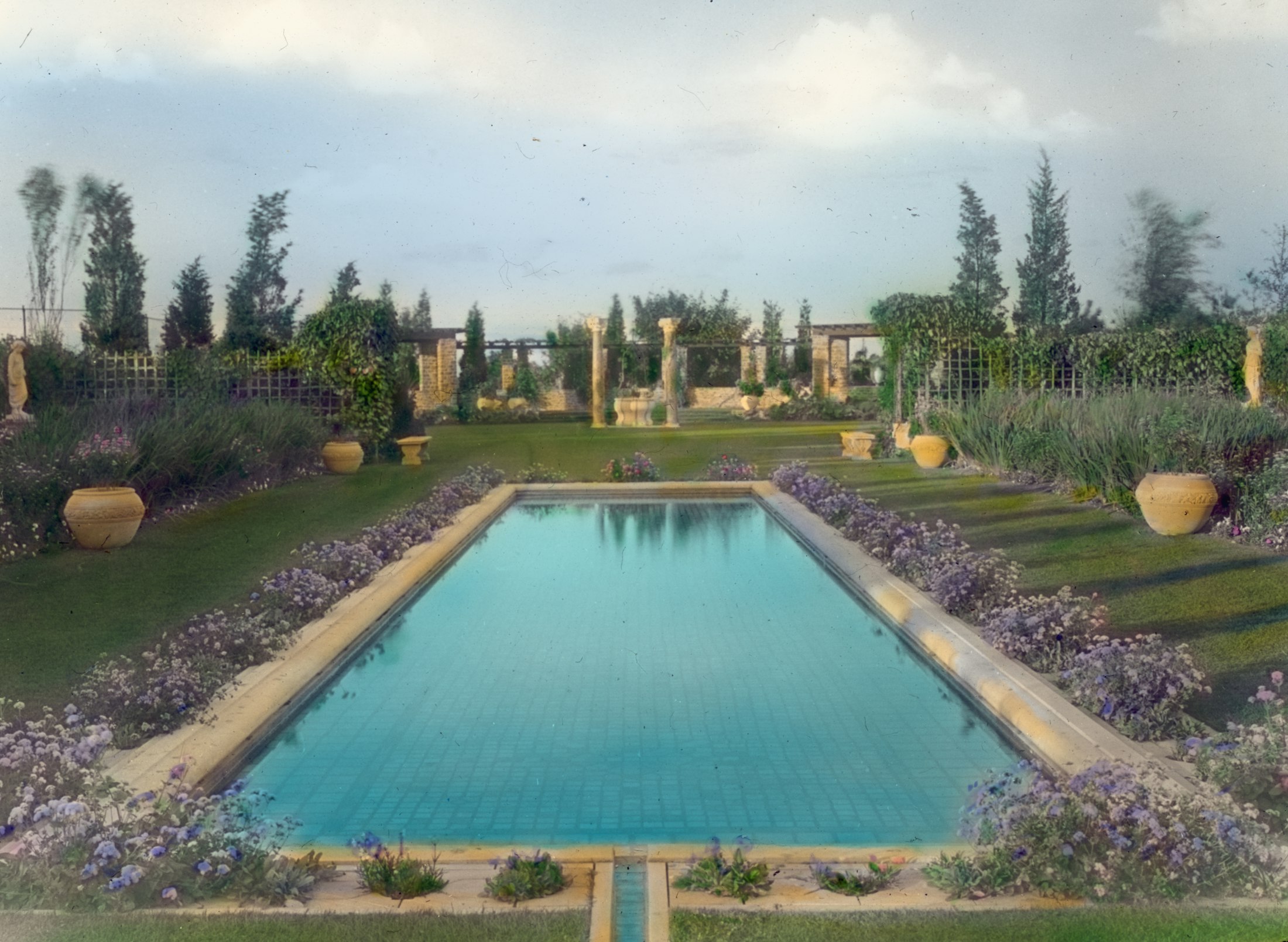
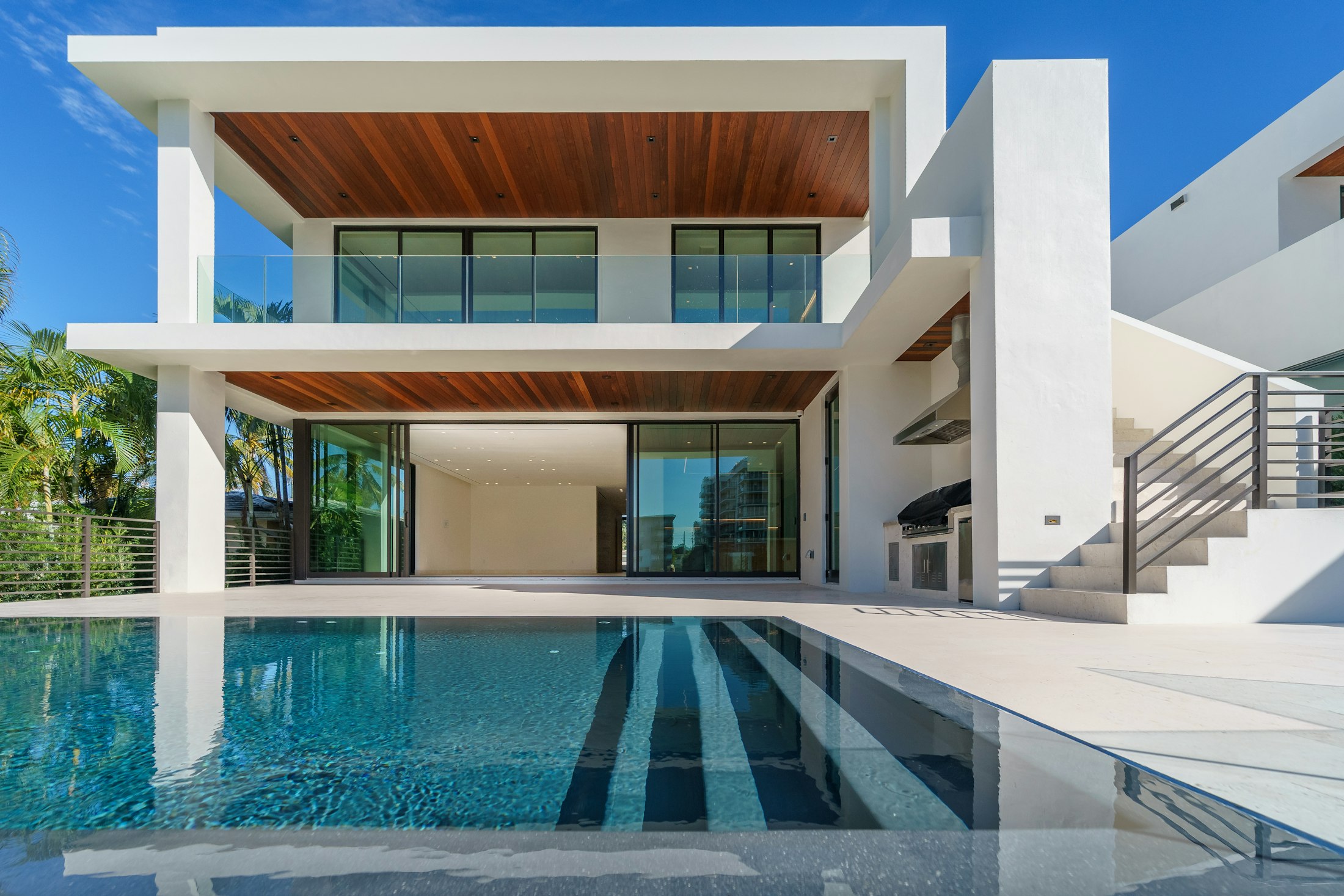
A lap pool on a hinterland ridge, one in an established Brisbane garden, and a beachfront infinity edge drawn for laps before work.
All projects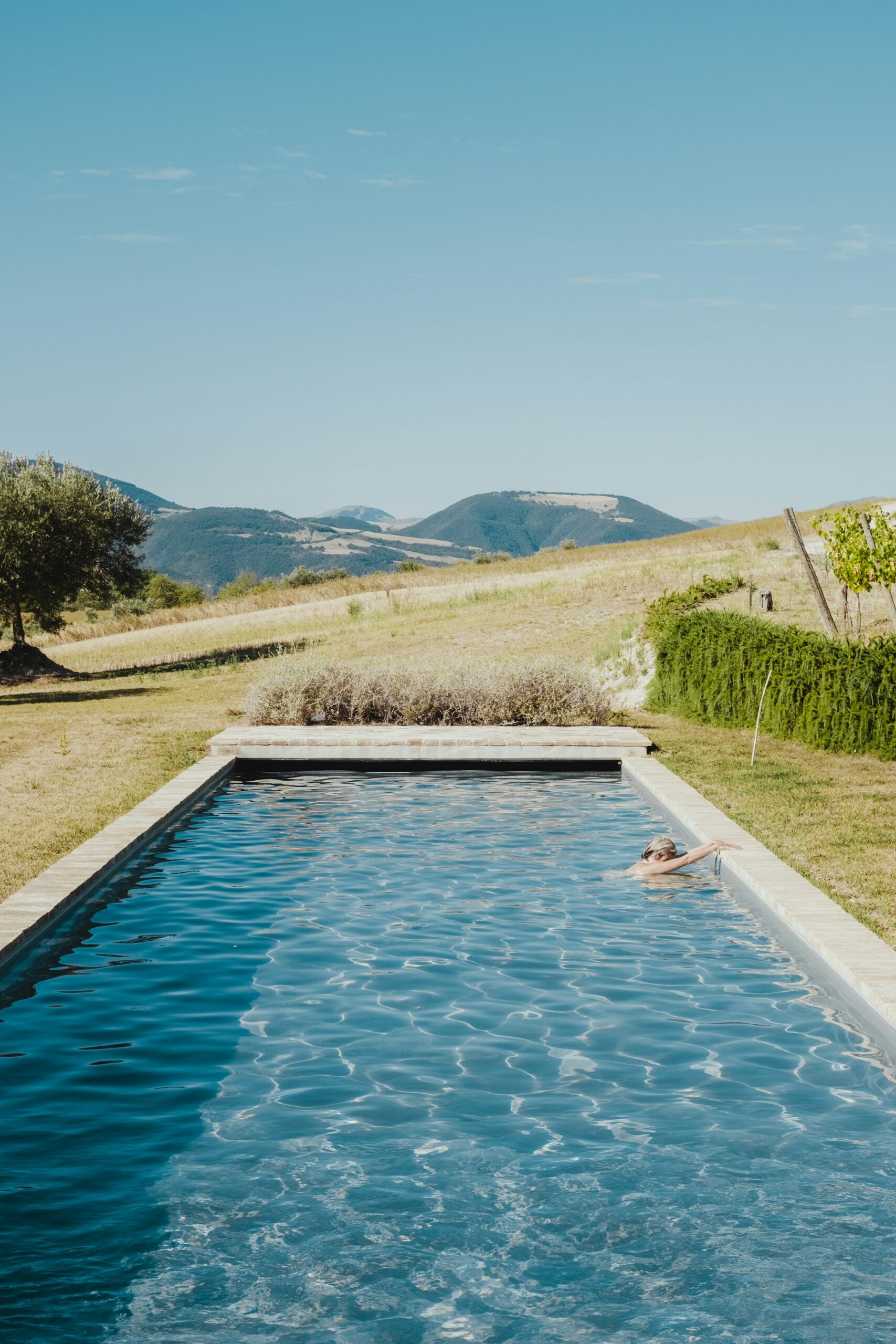
N°05 · Process
About 20 weeks, first visit to first swim
How long a lap pool takes.
Allow about five months from first visit to first swim, the same as a standard concrete pool. Rock, boundary engineering and wet weather add time, and we plan for them in the schedule.
Our process in detail01
Weeks 1 to 2
Consult and survey
Levels, soil, access and the winter sun along the length, checked on site by a director.
02
Weeks 2 to 6
Design and 3D
Length, position and steps tested in 3D from the house and the garden.
03
Weeks 6 to 10
Approvals and engineering
Engineering for the shell and any boundary wall, then building approval.
04
Weeks 10 to 13
Excavation and steel
Set out from the drawings, dug to engineered levels, then steel tied and inspected.
05
Weeks 13 to 18
Shell and finish
Shell sprayed in one day, then coping, tile and interior.
06
Week 20
Handover and care
Water balanced over a week, then certification and a one-year visit.
N°06 · Client words
4.9 from 126 Google reviews
“They moved the pool 1.2 metres so it caught the winter sun. We would never have thought of it, and now we swim until May.”
Anjali and Rob S.
Chelmer · Lap pool · 2022
N°07 · Where we build these
Within 90 minutes of Burleigh Heads
Where we build lap pools.
Our lap pools run down narrow lots in Brisbane and on the coast, and along hinterland ridges in the Northern Rivers. We build within ninety minutes of the studio so a director is on site every week.
All service areasGold Coast
06
Northern Rivers
06
N°08 · Related pools
Pairs well with
a lap pool.
A spa can spill into one end of a lap pool, and on a slope the far end can take an infinity edge. Each combination is engineered as one shell with the pool.
All pool typesN°09 · Questions
Lap pool
questions.
What we are asked most about lap pools. For your own site, a director will answer them in person at the first visit.
All questionsHow much does a lap pool cost on the Gold Coast?
Our lap pools start from $90K for a typical 20 by 2.5 metre pool, 1.2 to 1.4 metres deep, on a flat block with good access, including design, approvals, a glass fence allowance and certification. Most finish between $90K and $160K. Length, rock, access and finishes move the price, and you get a fixed price after design and engineering.
How long and how deep should a lap pool be?
We build lap pools from 15 to 25 metres long, most often around 20, and 1.2 to 1.4 metres deep with a flat floor. Below 15 metres you spend more of each length turning than swimming. The depth is enough to swim without touching the floor and shallow enough to stand anywhere along it.
Should we build a lap pool or a plunge pool?
Start with how you will use it. Swimming laps most mornings needs at least 15 metres of straight water. If the pool is for cooling off, sitting and entertaining, a deeper plunge pool uses less of the garden and costs less to heat.
Can a lap pool run along the boundary?
Yes, and it is often the best place for one. A pool near a boundary usually needs structural engineering for the neighbour’s fence and footings as well as the pool. We also check the winter sun, because a pool tight against a tall fence can sit in shade for months.
Can a lap pool be heated?
Yes. A long pool holds more water than a compact one, so it needs a larger heat pump and costs more to heat than the $900 to $1,800 a year we quote for a 9 metre pool. A blanket on a roller at one end can halve the bill.
Can you add a spa to a lap pool?
Yes. A spa can spill into one end of a lap pool, built as one shell so it is engineered and sprayed once rather than joined later. You swim in one and sit in the other, from the same equipment pad. Built with a new pool, a spa usually adds $30K to $55K to the pool price.
Is a lap pool harder to look after?
Not much. The flat floor suits a robotic cleaner, and the routine is the same as any pool: about an hour a week in summer to skim, empty the baskets and test the water. We walk you through it at handover and again at the one-year visit.
How do you keep a long pool straight and level?
We set the pool out with pegs and string from the drawings and dig to the engineer’s levels. The shell is sprayed in a single day and the coping set out to the millimetre, so the line holds over the full length. We check it again after excavation and before the coping goes down.