Infinity edge pools,
Gold Coast.
An infinity edge lets the water run to a hidden edge and fall away, so the pool meets the view instead of framing it. We engineer them for headlands, canal fronts and hinterland ridges, and level every edge to within two millimetres.
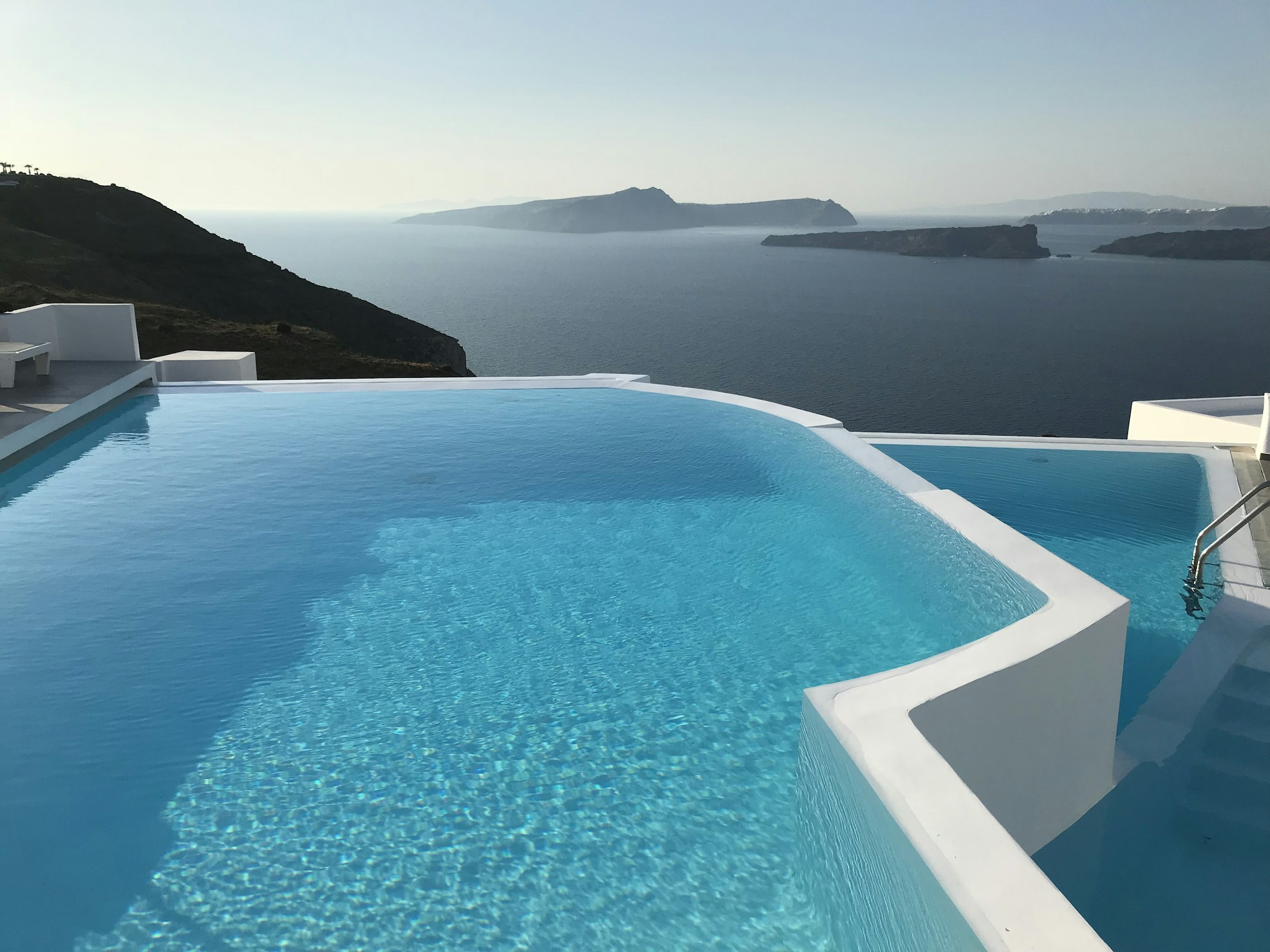
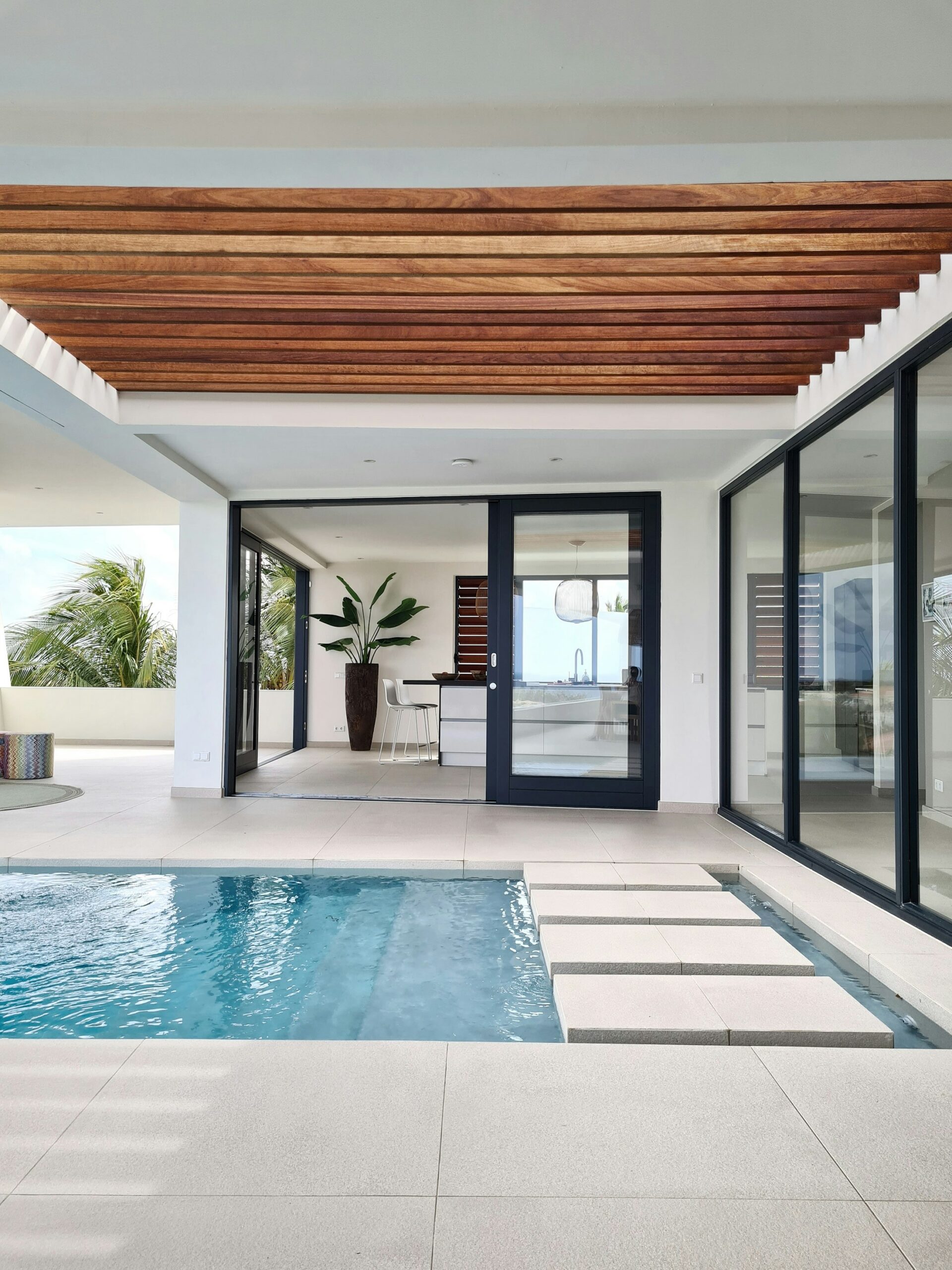
Plate 01 · Vanishing edge over the water
4.9 / 5 · 126 Google reviews
QBCC licence 0000000
Lifetime structural warranty
SPASA Gold 2025 · Hedges Avenue House
N°01 · Overview
Reviewed by James Whitcombe · Design director
What an infinity edge pool is.
An infinity edge pool has at least one wall built lower than the water line, so the water flows over it into a hidden catch basin and is pumped back. From the house the edge disappears, and the surface of the pool appears to run straight into the view beyond.
It is the most demanding pool we build. The overflow edge has to be dead level along its whole length, the catch basin and balance tank have to hold the water that leaves the pool when people swim, and the structure usually sits on a slope. Done well, the engineering is invisible and all you notice is the water.
Where they work
An infinity edge needs something to vanish into. The best sites fall away from the house towards water, bushland or a long view: a headland in Burleigh Heads, a canal front on Sovereign Islands, a ridge in Currumbin Valley or the Byron hinterland. On a flat suburban block with a fence two metres from the edge, the effect is lost and the money is better spent elsewhere.
Before we draw anything, a director stands where you will stand most often, usually the kitchen bench or the living room, and checks the sight line to the edge. If the far wall is visible from there, we lower it, move the pool or change the edge type until it is not.
Infinity edges also suit sloping blocks for a practical reason. The low side of the pool is already a retaining structure, so building the edge into it can cost less than a conventional pool with separate retaining walls.
What it takes to build one
Every infinity edge starts with a site survey and a soil test, then structural engineering for the shell, the edge wall and the catch basin as one piece. On slopes we often found the pool on bored piers taken down to rock or stable clay, and the engineer sets the steel and pier depths before the price is fixed.
The edge itself is set out with a laser level and finished to within two millimetres over its full length. Any more than that and the water runs in a sheet at one end and a trickle at the other. The catch basin below is sized for the water displaced by a pool full of swimmers, and it feeds a balance tank that holds the overflow and keeps the pump from running dry.
Expect 18 to 24 weeks from approval to handover, against 14 to 18 for a standard concrete pool. The extra time goes into engineering, piering, the edge finish and commissioning the overflow, which we run and adjust for several days before handover.
Design variations
Infinity is a family of edges rather than one detail. We choose between four, depending on the view, the slope and how you want the water to sound.
Variation 01
Vanishing edge
One or more walls drop to a catch basin hidden below the line of sight. The classic choice for sloping sites with a long view, and the one most people picture when they say infinity pool.
Variation 02
Wet edge
The water sits level with the paving and spills over a slot on every side, so the pool reads as one flat sheet of water. Best on level courtyards, terraces and rooftops.
Variation 03
Perimeter overflow
Water runs over all four edges into a channel set into the coping. Calm, almost silent and formal, it suits reflection pools and houses with strong horizontal lines.
Variation 04
Knife edge
The edge wall is finished to a sharp arris with no visible coping, so from the house the water ends in a fine line. The most exacting edge we build, and the slowest to set out.
Living with an infinity edge
The overflow adds a pump, a balance tank and more moving water to heat, so running costs sit a little above a standard pool of the same size. We fit variable-speed pumps, an automatic top-up on the balance tank and a cover where the design allows, and we show you the running numbers at design stage, not after handover.
Book a design consultation
Start with a site visit.
A director visits, measures the site and talks through ideas and budget. No cost, no obligation.
Reply within one business day · 07 5576 3480
N°02 · At a glance
Typical specification
The pool, by the numbers.
Typical figures for the infinity edges we build. Every pool is drawn for its site, so treat these as a starting point rather than a limit.
Typical size
12 by 4 metres
Depth
1.2 to 1.6 metres
Build time
18 to 24 weeks
Interior
Pebble, mosaic or tile
Coping
Travertine or limestone
Equipment
Balance tank, heat pump
Warranty
Lifetime structural shell
Approvals
Engineering and approval
N°03 · Pricing
2026 pricing · Including GST
How much an infinity edge pool costs.
From
$160K
A typical 12 by 4 metre infinity edge on a moderate slope, finished in pebble with travertine coping, starts from $160K. That includes engineering, approvals, excavation, steel, the shell, edge and catch basin, balance tank, filtration, a heat pump and handover. Most of ours finish between $180K and $280K.
What moves the price
01
Slope and foundations
Steeper sites need bored piers and taller edge walls. The survey and soil test settle this before the price is fixed.
02
Length of the edge
Each metre of overflow adds catch basin, waterproofing and stone. One vanishing wall costs less than an edge on two or three sides.
03
Access
Many view sites are reached by crane or a single narrow path. Craning concrete and steel over a house adds hire and planning to each pour.
04
Edge finish
Knife edges and stone-clad edge walls take longer to set out and finish than a rendered wall with standard coping.
05
Equipment
A balance tank, second pump, heating and automation come with every infinity edge. Larger pools and spa spillovers need more of each.
N°04 · Recent infinity edge pools
3 of 11 projects
Recent infinity edges.
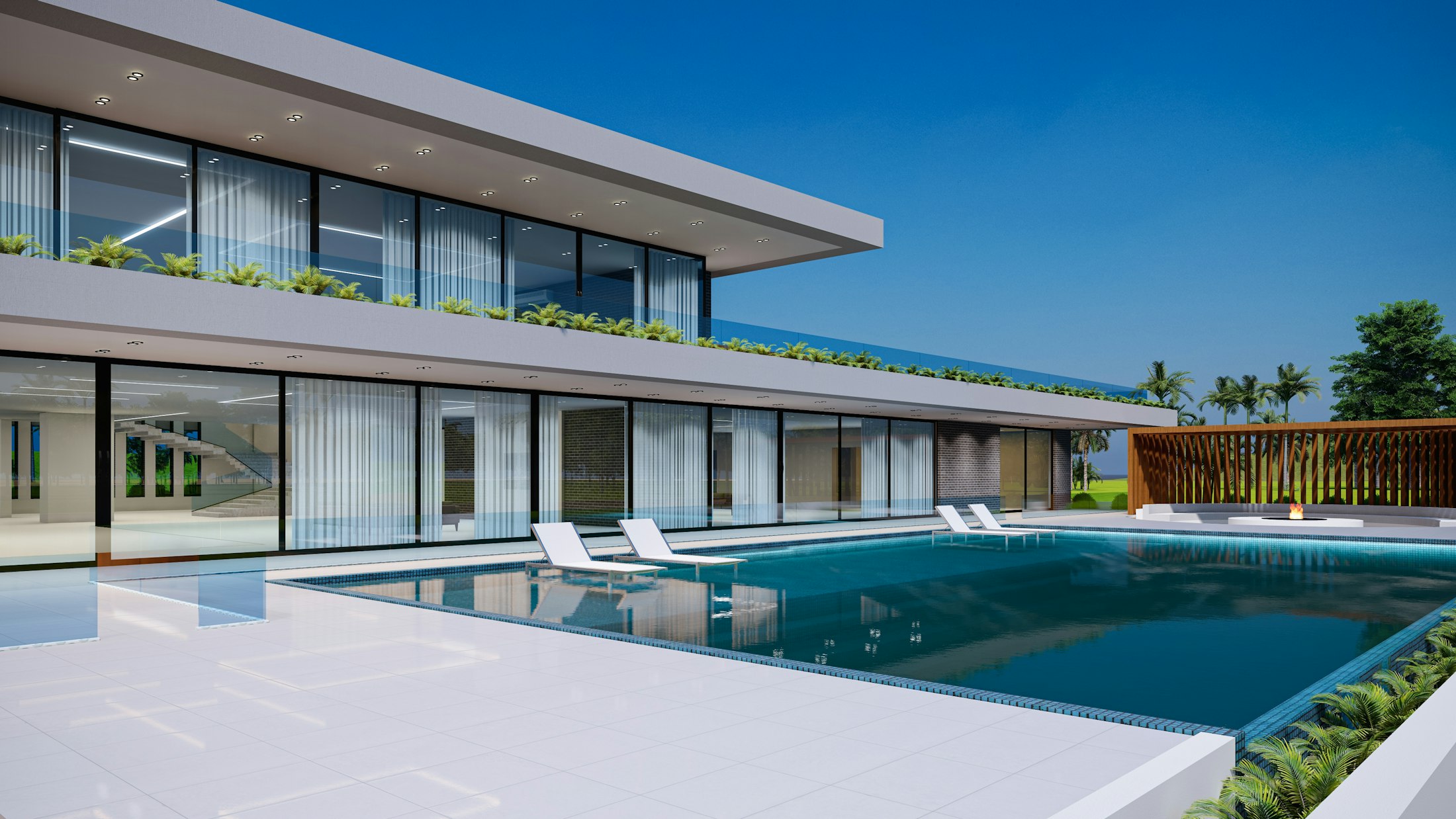
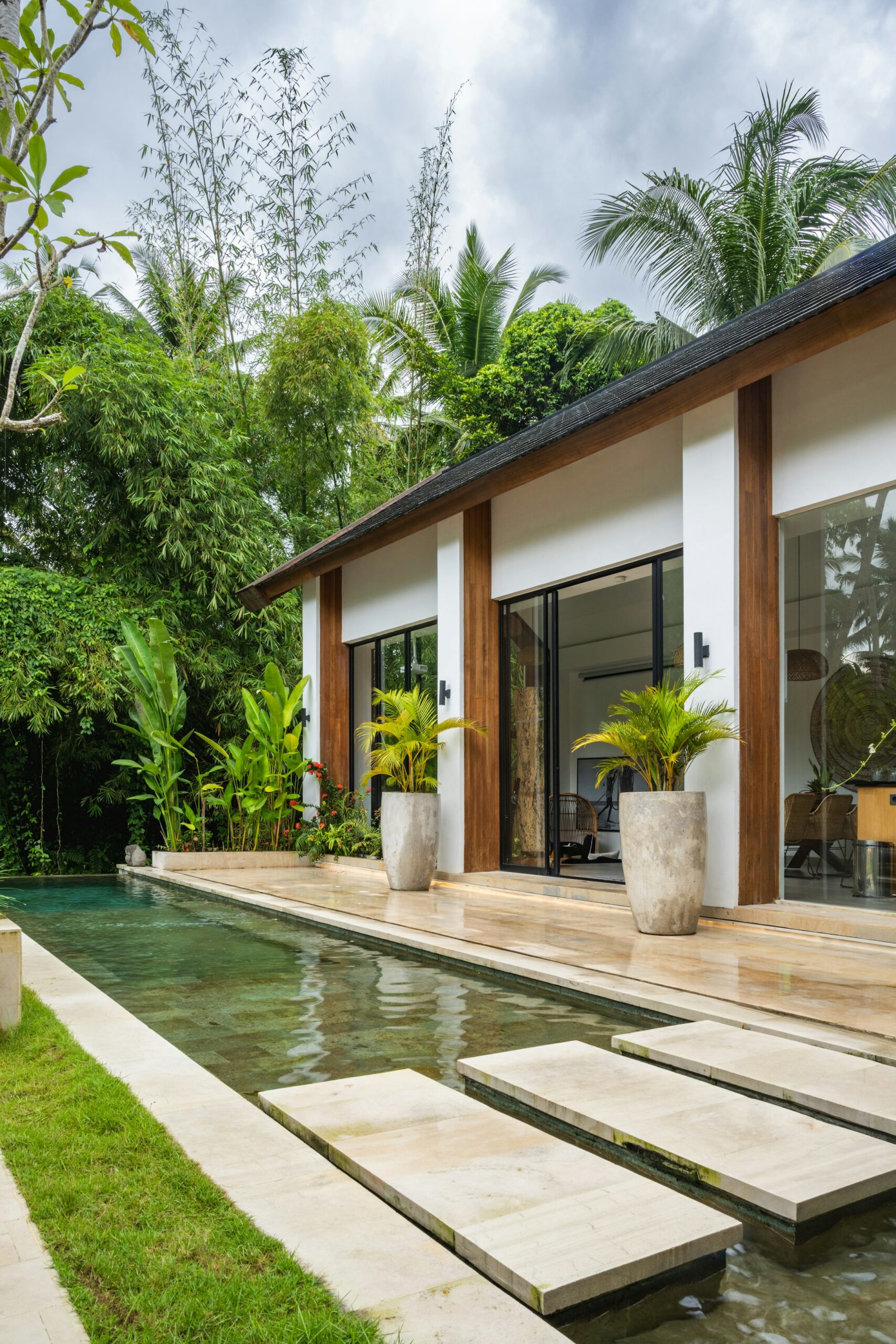
Two vanishing edges on the coast and a perimeter overflow reflection pool in the valley. Each one began with a sight line from the house.
All projects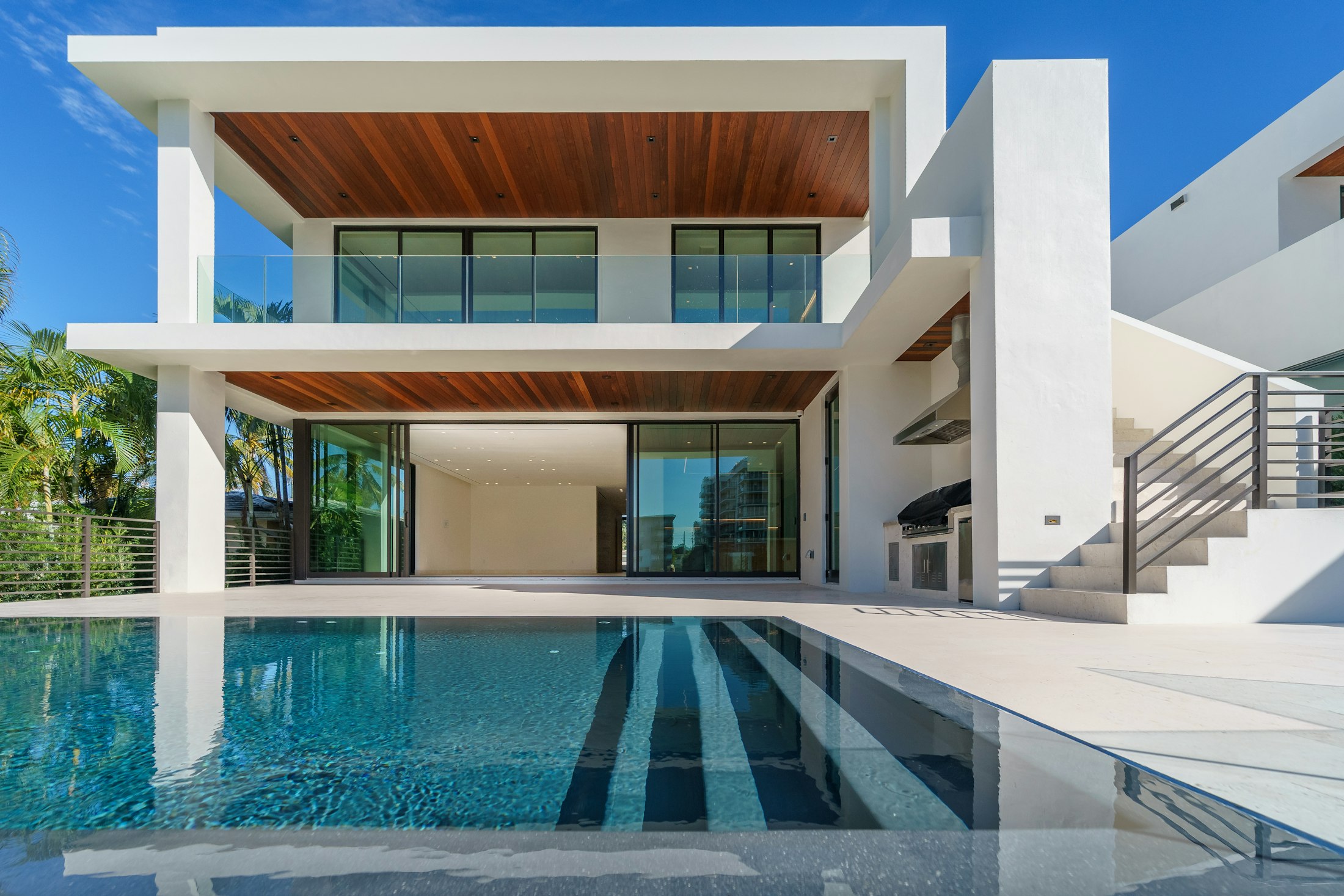
N°05 · Process
About 26 weeks, first visit to first swim
How long an infinity edge takes.
Allow about six months from first visit to first swim. The extra weeks over a standard pool go into the survey, the engineering and the edge itself.
Our process in detail01
Weeks 1 to 2
Consult and survey
Levels, soil and the sight line from the house, checked on site by a director.
02
Weeks 2 to 8
Design and 3D
Edge height and position tested in 3D from every room that looks at it.
03
Weeks 8 to 13
Approvals and engineering
Engineering for the shell, edge wall and piers, then building approval.
04
Weeks 13 to 17
Excavation and steel
Piers to rock where needed, then steel for the shell and the edge wall.
05
Weeks 17 to 25
Shell, edge and finish
Shell sprayed, edge laser-levelled, then interior, coping and balance tank.
06
Week 26
Handover and care
Overflow tuned over several days, then certification and a one-year visit.
N°06 · Client words
4.9 from 126 Google reviews
“We wanted the pool to disappear into the Broadwater. Tom spent a morning on the deck with a level before he drew a line. From the kitchen now, the water runs straight into the channel.”
Daniel and Priya Mercer
Sovereign Islands · Infinity edge · 2023
N°07 · Where we build these
Within 90 minutes of Burleigh Heads
Where we build infinity edges.
Most of our infinity edges sit on the coast, on canals or on hinterland ridges. We build within ninety minutes of the studio so a director is on site every week.
All service areasGold Coast
06
Northern Rivers
06
N°08 · Related pools
Pairs well with
an infinity edge.
Most infinity edges we build share a shell with a spa or sit beside a lap pool. Each is engineered as one structure with the main pool.
All pool typesN°09 · Questions
Infinity edge
questions.
What we are asked most about infinity edges. For your own site, a director will answer them in person at the first visit.
All questionsHow much does an infinity edge pool cost on the Gold Coast?
Our infinity edge pools start from $160K for a typical 12 by 4 metre pool on a moderate slope, including engineering, approvals, the balance tank and a heat pump. Most finish between $180K and $280K. Slope, edge length, access and finishes move the price, and you get a fixed price after design and engineering.
Can you build an infinity edge on a steep or sloping block?
Yes. Most of our infinity edges are on slopes, and the slope is often what makes the edge work. The engineer designs the shell, edge wall and catch basin as one structure, usually on bored piers taken down to rock or stable clay, so the pool cannot move independently of the ground below it.
What is a balance tank, and where does it go?
A balance tank holds the water that flows over the edge, so the pool level stays constant and the pump never runs dry. It is usually a buried concrete or polyethylene tank beside the equipment, sized for the water displaced when the pool is full of swimmers.
Is an infinity edge harder to maintain?
A little. The catch basin collects leaves and needs a skim each week, and the edge should be brushed every few weeks so calcium does not mark it. An automatic top-up, a robotic cleaner and a cover take care of most of the work. We walk you through the routine at handover and again at the one-year visit.
Can an infinity edge pool be heated?
Yes, though it loses more heat than a standard pool because water is always moving over the edge and through the catch basin. A heat pump sized for the full volume, a cover, and a setting that pauses the overflow when nobody is swimming keep running costs reasonable.
Does wind affect an infinity edge?
On exposed headlands and ridges, a strong onshore wind can push water over the edge faster than usual. We check prevailing winds at design stage, size the catch basin and balance tank for them, and set the controls to hold the pool level lower in strong conditions.
What pool fencing does an infinity edge need?
The same as any pool: a compliant barrier, inspected and certified before the pool is filled. On a slope we often set the fence below the edge so it stays out of the sight line, and use frameless glass where it cannot be hidden.
How do you make sure the edge lines up with the view?
We take levels from the rooms you use most, then test the edge height and position in 3D before the engineer draws anything. On site we check the sight line again after excavation and before the edge is finished, while there is still time to adjust it.